
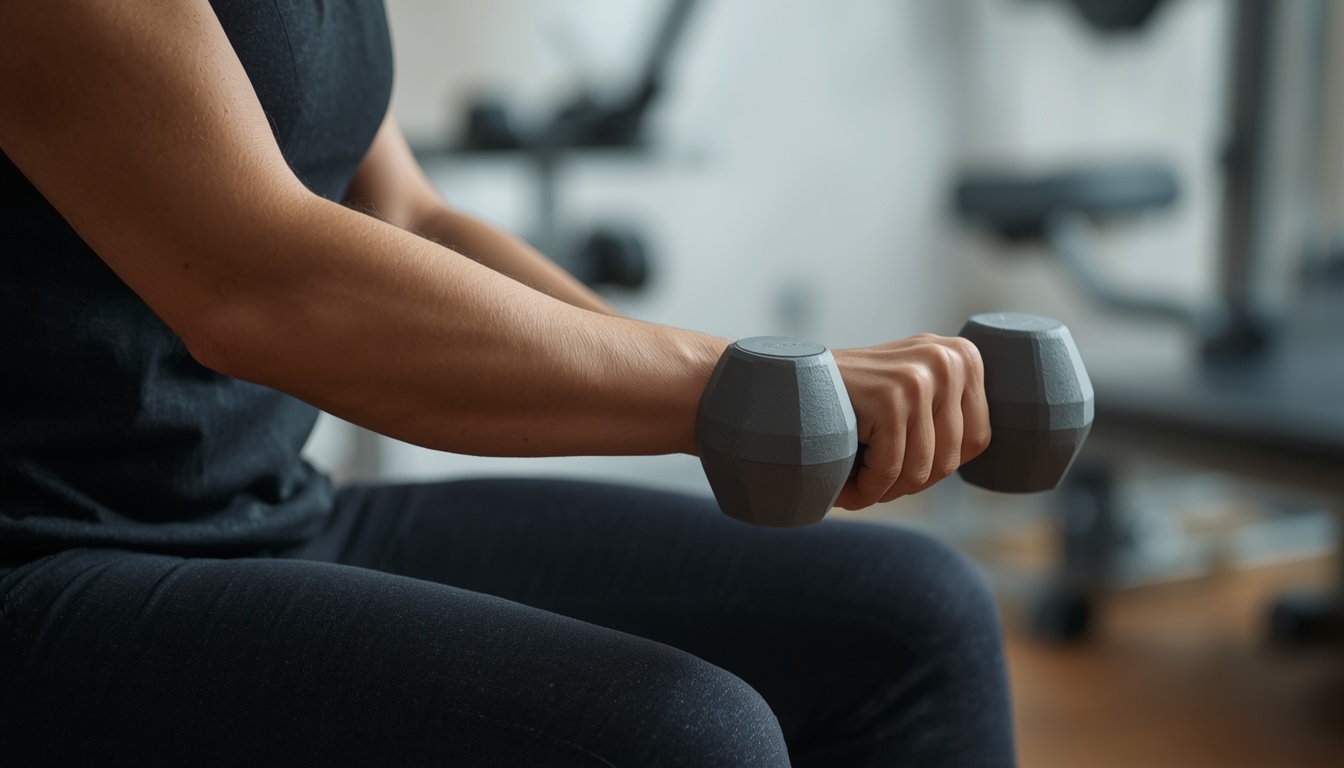
Tennis Elbow
You’ve stopped going to the gym.
You’ve bought a brace.
You’ve iced it.
You’ve rested it for weeks.
Yet every time you pick up a tennis racquet, return to the gym, lift a toolbox, or even pour the kettle, the pain comes straight back.
If that sounds familiar, you’re not alone.
Tennis elbow is one of the most common arm injuries we see at VIBE Health and Performance in Homebush. Despite its name, most people who develop tennis elbow have never played tennis.
In fact, tennis elbow is commonly seen in:
- Office workers
- Students
- Tradespeople
- Electricians
- Mechanics
- Parents lifting children
- Gym-goers
- Racquet sport athletes
- Golfers
- Manual labourers
The good news is that most cases respond well to appropriate treatment and rehabilitation. The bad news is that many people are still managing it incorrectly.
If your approach has been “rest until it settles”, there’s a good chance that’s exactly why it keeps returning.
What Is Tennis Elbow?
Tennis elbow, known medically as a lateral epicondylopathy, epicondylalgia or lateral epicondylitis, (you see why it got the name Tennis Elbow) involves irritation of the tendons that attach to the outside of the elbow.
These tendons are responsible for:
- Wrist extension
- Grip strength
- Forearm stability
- Hand control
The tendon most commonly involved is the extensor carpi radialis brevis (ECRB).

Over time, repetitive loading can exceed the tendon’s capacity to recover. Rather than being a traditional inflammatory injury, most persistent cases involve tendon degeneration and reduced tissue capacity.
This distinction is important because it changes how treatment should be approached.
Most chronic tennis elbow cases do not need more rest.
They need an appropriatelya prescribed load.
What Does Tennis Elbow Feel Like?
Common symptoms include:
- Pain on the outside of the elbow
- Pain gripping objects
- Pain shaking hands
- Pain opening jars
- Pain carrying shopping bags
- Pain using a computer mouse
- Pain lifting weights
- Reduced grip strength
Many people initially notice symptoms during activities that seem insignificant like:
- Lifting a coffee mug
- Writing with a pen
- Picking up a laptop
- Using a screwdriver
- Holding a frying pan
As symptoms progress, everyday tasks become increasingly uncomfortable. Some people also notice stiffness first thing in the morning or soreness after activity.
Why Does Tennis Elbow Develop?
The most common cause is simple:
The tendon was asked to tolerate more load than it was prepared for.
This may occur gradually over months or suddenly following an increase in activity.
Common contributing factors include:
Repetitive Work Demands
Tradespeople frequently develop tennis elbow due to:
- Screwdriving
- Hammering
- Drilling
- Tool use
- Repetitive gripping
Gym Training
Common gym-related triggers include:
- Pull-ups
- Deadlifts
- Barbell rows
- Heavy gripping exercises
- Excessive wrist extension loading
Often the issue isn’t the exercise itself. It’s a rapid increase in training load without allowing adequate adaptation.
Racquet Sports
Per the name, tennis elbow can certainly occur in tennis players. Contributing factors may include:
- Sudden increases in playing volume
- Poor stroke mechanics
- Inappropriate grip size
- Inadequate recovery
Office Work
Prolonged mouse use and repetitive wrist positioning can contribute to symptom development, particularly when combined with poor recovery and reduced strength capacity.
The Biggest Mistake People Make
The most common mistake we see is complete rest. Initially, reducing aggravating activities may help calm symptoms. However, prolonged rest creates a new problem. The tendon becomes less capable of handling load.
As a result:
- Symptoms improve temporarily
- Activity resumes
- Pain returns
- More rest follows
This creates the frustrating cycle many patients experience. Modern tendon rehabilitation focuses on rebuilding capacity rather than avoiding activity forever.
Why Tennis Elbow Keeps Coming Back
Many people treat the pain but never address the reason it developed. The tendon may feel better after:
- Massage
- Dry needling
- Bracing
- Anti-inflammatory medication
However, if the underlying capacity deficit remains, symptoms often return. This is why successful treatment typically involves two goals:
- Reducing pain and irritation
- Improving tendon capacity
Without the second step, recurrence rates are significantly higher.
How We Assess Tennis Elbow at VIBE
A thorough assessment is essential. Not every case of lateral elbow pain is actually tennis elbow. Conditions that may mimic tennis elbow include:
- Radial nerve irritation
- Cervical spine referral
- Elbow joint pathology
- Tendon tears
- Referred shoulder pain
During an assessment we typically evaluate:
- Elbow range of motion
- Wrist strength
- Grip strength
- Tendon loading tolerance
- Neck function
- Shoulder function
- Work demands
- Gym and sporting activities
Understanding why the condition developed is often just as important as identifying the diagnosis itself.
What Actually Works for Tennis Elbow?
Progressive Strength Training
Research consistently supports progressive loading for tendon rehabilitation. This usually begins with:
- Isometric exercises
- Slow resistance training
- Eccentric strengthening
- Functional loading
The goal is gradual adaptation rather than aggressive loading.
Activity Modification
This does not mean stopping everything. Instead, we modify activities to keep symptoms within an acceptable range while maintaining overall function. Examples may include:
- Adjusting gym exercises
- Modifying work duties
- Temporarily reducing racquet sport volume
- Changing grip demands
Manual Therapy
Manual therapy can help improve comfort and movement. This may include:
- Soft tissue therapy
- Joint mobilisation
- Forearm treatment
- Trigger point therapy
Manual therapy is often helpful, but it should support rehabilitation rather than replace it.
Dry Needling
Dry needling may assist with:
- Muscle tension
- Pain modulation
- Forearm muscle overload
Many patients find this useful as part of a broader rehabilitation programme.
Shockwave Therapy
For persistent tendon conditions, shockwave therapy may be considered. Shockwave uses acoustic energy to stimulate healing responses within the tendon and may be useful for chronic presentations that have failed to improve with conventional treatment alone.
Bracing
Counterforce braces may provide short-term symptom relief. However, braces should generally be viewed as a temporary tool rather than a long-term solution.
Tennis Elbow Exercises
The exact exercise programme depends on the individual, but commonly prescribed exercises include:
- Wrist Extension Isometrics -Useful during painful phases.
- Wrist Extension Strengthening – Gradually builds tendon capacity.
- Forearm Pronation and Supination – Improves overall forearm strength.
- Grip Strength Exercises – Addresses one of the most common deficits associated with tennis elbow.
- Shoulder and Scapular Strengthening – Many people are surprised to learn that shoulder weakness can contribute to elbow overload. Improving shoulder function often reduces stress placed on the forearm during activity.
How Long Does Recovery Take?
This is usually the first question patients ask. Unfortunately, there is no universal timeline. Factors influencing recovery include:
- Symptom duration
- Tendon irritability
- Work demands
- Sporting demands
- Adherence to rehabilitation
- Overall health
As a general guide:
- Mild cases may improve within 6–8 weeks.
- Moderate cases often require 8–16 weeks.
- Long-standing chronic cases may take several months.
The earlier treatment begins, the easier recovery tends to be.
Should You Stop Training?
Not necessarily. For most people, complete inactivity is unnecessary. Instead, we typically modify training around symptoms. Many patients can continue:
- Lower body training
- Cardiovascular exercise
- Core training
- Modified upper body exercises
Maintaining fitness during rehabilitation often improves overall outcomes and makes returning to full activity significantly easier.
When Should You Seek Treatment?
Consider seeking assessment if:
- Pain has persisted longer than two weeks
- Grip strength is declining
- Symptoms are affecting work
- Gym training is becoming difficult
- Symptoms continue returning
- Daily activities are becoming painful
Early intervention generally results in faster recovery and reduces the likelihood of chronic tendon changes developing.
Why Choose VIBE Health and Performance?
At VIBE Health and Performance in Homebush, we regularly help patients recover from tendon injuries affecting the elbow, shoulder, knee and Achilles tendon.
Our team combines:
- Detailed assessment
- Manual therapy
- Exercise rehabilitation
- Strength programming
- Dry needling
- Shockwave therapy
- Load management strategies
Most importantly, we focus on identifying why the injury developed in the first place rather than simply treating the painful area.
The Last word
Tennis elbow is rarely caused by a single event. More often, it develops when the demands placed on the tendon exceed its capacity to cope. While rest, braces and passive treatments may provide temporary relief, long-term recovery typically requires rebuilding tendon strength and improving load tolerance.
If you’ve been dealing with elbow pain that’s limiting your work, sport, gym training or everyday activities, a thorough assessment can help identify the underlying cause and create a clear path back to full function.
At VIBE Health and Performance in Homebush, our goal is simple:
Reduce your pain, rebuild your capacity, and help you get back to doing what you enjoy without the constant fear of symptoms returning.