
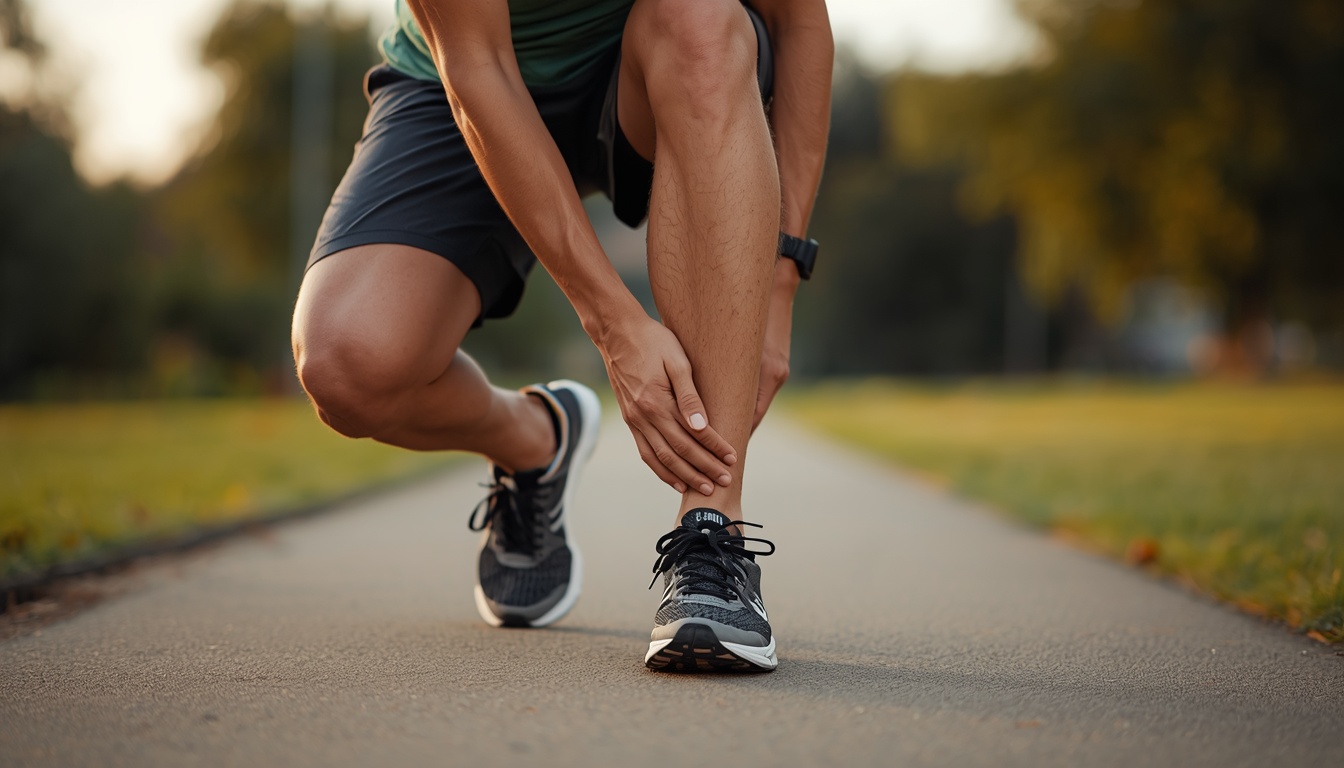
Running Injury Treatment
You bought new shoes.
You’ve been stretching your calves.
You’ve foam rolled religiously.
Maybe you’ve even stopped running completely for a few weeks.
Yet every time you start building your mileage again, the pain comes back.
If that sounds familiar, you’re not alone.
One of the biggest misconceptions about running injuries is that running itself is the problem. In reality, running is often just the activity that exposes an underlying issue. The real cause is usually a combination of training load, strength deficits, recovery habits, and movement patterns that have gradually exceeded what your body can tolerate.
At VIBE Health and Performance in Homebush and Seven Hills, we see runners every week dealing with shin splints, runner’s knee, Achilles pain and plantar fasciitis. Most have already tried rest, stretching, massage guns and new shoes. While these strategies can sometimes help temporarily, they rarely address the reason the injury developed in the first place.
The goal isn’t simply to get you out of pain.
The goal is to understand why the injury happened and build a body that can tolerate running again.
Most Running Injuries Aren’t What You Think
Many runners blame the wrong thing when pain develops.
They blame:
- Their shoes
- Their running technique
- Their age
- Their foot shape
- Their lack of stretching
While these factors can sometimes contribute, the most common reason we see running injuries is far simpler:
Your body was asked to do more than it was prepared for.
This is a load management problem.
Load is simply the amount of stress placed on your tissues. Every run places load through your muscles, tendons, bones and joints. When your body’s capacity is greater than the load you’re applying, adaptation occurs. You get fitter, stronger and more resilient.
When the load exceeds your body’s capacity, tissues begin to become irritated.
That’s when injuries develop.
Common examples include:
- Increasing weekly kilometres too quickly
- Returning from a break and trying to run at previous volumes
- Adding speed work too aggressively
- Increasing hill running
- Starting marathon preparation without adequate strength training
- Playing social sport while increasing running volume
Running isn’t the enemy.
Poorly managed training load is.
The Big Four Running Injuries We See
Shin Splints (Medial Tibial Stress Syndrome)
Shin splints are one of the most common running injuries, particularly in newer runners or those increasing training volume.
Symptoms typically include:
- Pain along the inside of the shin
- Discomfort during or after running
- Tenderness when pressing the affected area
- Symptoms that worsen as training volume increases
Most people assume shin splints are simply caused by running too much.
In reality, we often find contributing factors such as:
- Rapid mileage increases
- Calf weakness
- Reduced ankle mobility
- Poor recovery between sessions
- Insufficient lower limb strength
Rest may temporarily reduce symptoms, but unless the underlying issue is addressed, symptoms frequently return when running resumes.
Runner’s Knee (Patellofemoral Pain)
Runner’s knee typically presents as pain around or behind the kneecap.
Common aggravating activities include:
- Running downhill
- Stairs
- Squatting
- Sitting for long periods
Interestingly, the problem is rarely the knee itself.
More often, we find issues involving:
- Hip strength
- Glute function
- Running load
- Single-leg control
- Lower limb mechanics
This is why treatment usually extends far beyond the painful area.
Plantar Fasciitis
Plantar fasciitis is one of the most frustrating injuries runners experience.
Classic symptoms include:
- Heel pain first thing in the morning
- Pain after periods of sitting
- Symptoms that improve as you warm up
- Pain returning after activity
Many runners spend months stretching their calves without meaningful improvement.
While stretching can help symptoms, the plantar fascia generally responds best to progressive loading and strength development, particularly through the calf complex.
Achilles Tendinopathy
Achilles tendon pain commonly develops when training loads increase faster than the tendon can adapt.
Symptoms often include:
- Morning stiffness
- Pain during hills or speed sessions
- Tenderness along the tendon
- Reduced running tolerance
One of the biggest mistakes runners make is stopping all activity completely.
Tendons thrive on appropriate load. Complete rest often reduces capacity further and makes returning to running even more difficult.
The key is progressive loading, not complete avoidance.
Load Management: The Most Important Part of Recovery
If there is one concept every runner should understand, it’s load management.
Most running injuries don’t occur because a runner suddenly became weak.
They occur because training stress exceeded tissue capacity.
Questions we commonly ask include:
- How many kilometres are you running each week?
- How quickly did volume increase?
- How much speed work are you doing?
- How much strength training are you completing?
- How many rest days are you taking?
Often, the answers reveal the problem immediately.
A runner may increase from 20 km per week to 40 km per week in preparation for an event.
Another may return from injury and immediately resume previous training volumes.
Another may add hills, intervals and extra gym work simultaneously.
None of these changes are inherently bad.
The issue is introducing too many stressors at once.
One of the most effective things we do for injured runners is help them understand how to progress training loads safely while continuing to move forward.
Why Runners Need Strength Training
One of the biggest gaps we see in recreational runners is strength training.
Many runners assume that running itself is enough.
Unfortunately, running alone doesn’t always build the strength required to tolerate increasing training loads.
Strength training improves:
- Running economy
- Force production
- Tendon capacity
- Bone health
- Injury resilience
Key areas we commonly target include:
- Calves
- Glutes
- Hamstrings
- Quadriceps
- Single-leg stability
Exercises frequently prescribed include:
- Calf raises
- Split squats
- Step-ups
- Romanian deadlifts
- Single-leg balance variations
For most runners, two strength sessions per week can significantly reduce injury risk.
When Should You See a practitioner for a Running Injury?
A lot of runners wait far too long. General guidelines include:
- Pain lasting more than 3–5 days
- Pain that’s progressively worsening
- Pain that changes your running technique
- Pain that’s preventing you from training
- Recurrent injuries that keep returning
The earlier an issue is assessed, the easier it is typically to address.
Waiting six months rarely makes treatment easier.
What Treatment at VIBE Homebush Looks Like
Your first appointment focuses on understanding the complete picture.
This may include:
- Injury history
- Training history
- Physical assessment
- Strength testing
- Mobility testing
- Gait analysis where appropriate
From there, we build a plan designed around your goals and injury.
Treatment may include:
- Manual therapy
- Exercise rehabilitation
- Strength programming
- Return-to-running plans
- Load management strategies
- Dry needling
- Shockwave therapy for appropriate tendon conditions
Where appropriate, our physiotherapists, chiropractors and exercise physiologists work together to ensure your rehabilitation progresses smoothly.
A Clinic Built Around Active People
Located in Homebush and only minutes from Sydney Olympic Park, VIBE Health and Performance regularly works with runners preparing for everything from local parkruns to half marathons, marathons and endurance events.
Whether you’re dealing with shin splints, Achilles pain, runner’s knee or a recurring injury that keeps interrupting your training, our goal is simple:
Identify the reason the injury developed, address it properly, and help you return to running stronger than before.
Ready to Get Back Running?
If you’ve been dealing with a running injury for more than a week, or you keep finding yourself stuck in the same cycle of pain, rest and recurrence, it’s worth getting assessed.
Our team at VIBE Health and Performance in Homebush can help identify what’s driving the issue and develop a clear plan to get you back running with confidence.
Book online or call 1800 4 VIBES to arrange an assessment.