
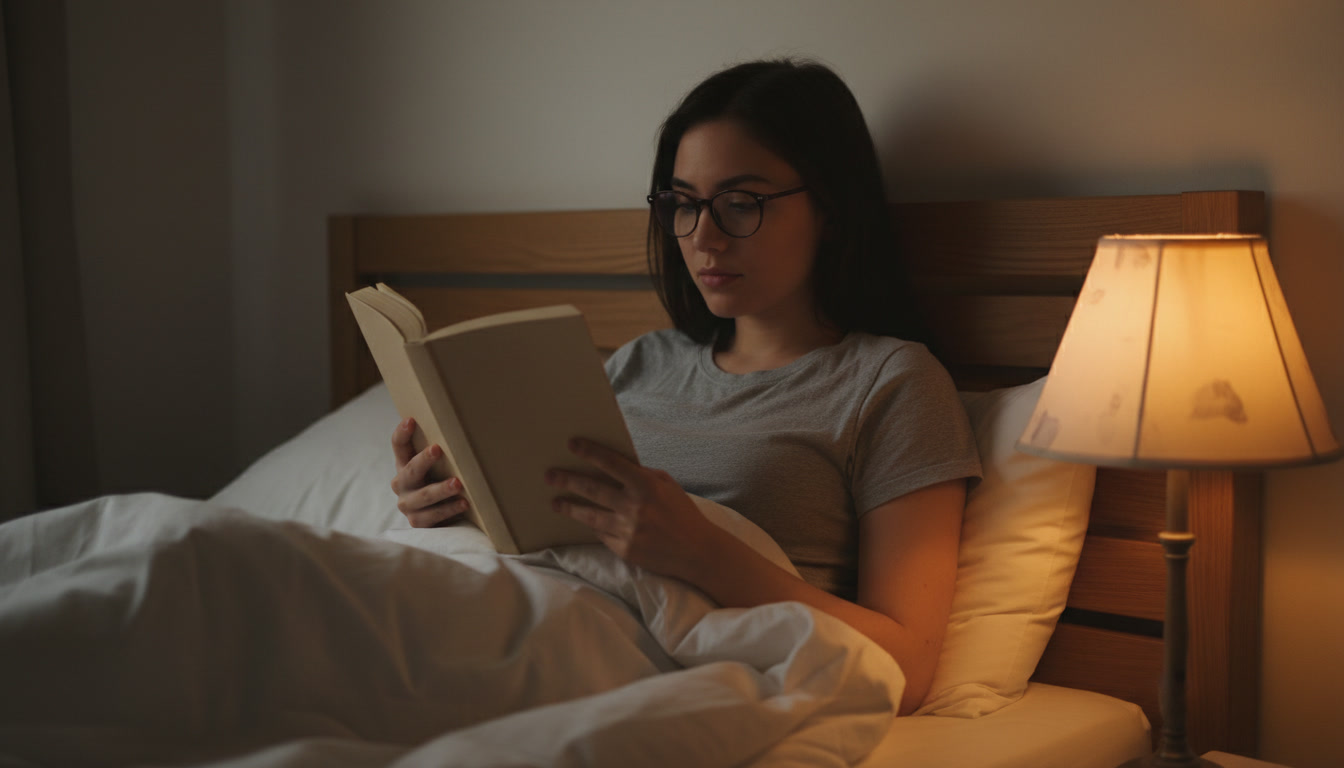
Sleep Better: try the 10-3-2-1 wind-down method
If you train hard, work hard, or you’re coming back from an injury, sleep is the biggest lever you’ve got and almost everyone can get better at it.You can do all the rehab, strength work, and stretching you want, but if you’re running on six broken hours of sleep, your body doesn’t have the time to repair what you’ve been working on. The research is pretty clear.
Athletes sleeping fewer than eight hours a night are around 1.7 times more likely to get injured than those who sleep more. Muscle recovery slows. Reaction times drop. Tendons don’t remodel as well. The whole system runs at about 80%.
The problem is that “get more sleep” is useless advice. Most people already know they should. The real question is how, when the evenings are full of work, Netflix, kids, phones, and food at 9pm.
The 10-3-2-1 method is a simple framework we’ve seen that actually helps, and we think if you could try one thing this week, this should be it!
The 10-3-2-1 method
Count backwards from when you want to be asleep. Say that’s 10pm.
10 hours before bed: no more caffeine.
Caffeine has a half-life of around 5 to 6 hours, so a 3pm coffee is still in your system at midnight, doing enough to fragment deep sleep even if you fall asleep fine. If 10 hours feels impossible, start with “no coffee after midday” and build from there.
3 hours before bed: no more food or alcohol.
Eating too close to sleep means your body spends the first part of the night digesting when it should be recovering. Alcohol is the trickier one. It helps you fall asleep and then wrecks the second half of the night, especially the REM sleep that drives memory and mood. Two drinks with dinner at 7pm is workable. Two drinks at 10pm is the reason you wake up feeling rubbish even after eight hours in bed.
2 hours before bed: no more work.
Your nervous system needs time to shift out of “solve problems” mode. If your last act of the day is answering a Slack message at 10:30pm, you’re going to bed with your head still switched on. Sleep onset takes longer, sleep depth suffers, and the mental off-ramp matters about as much as the physical one.
1 hour before bed: no more screens.
Phones, laptops, and tablets all get you in the same two ways. The light suppresses melatonin, and the content keeps your brain engaged for another 30 minutes or so after you put the device down.
TV is a bit more forgiving because you’re further away from it, but the scrolling stuff is the worst offender. Read a book, stretch, talk to someone. If no screens is impossible, look into blue light blocking glasses.
Why this habit works
Most sleep advice is either lifestyle rules (don’t drink coffee after 2pm) or gear tips (blackout curtains, silk pillowcases, a $400 ring that tells you what you already knew in the morning). They aren’t wrong. They’re just hard to organise into a plan you actually follow.
10-3-2-1 is a plan. Four cutoffs, counted back from your target bedtime. The same framework holds whether you’re training for a marathon, rehabbing an ACL, or recovering from a busy week at work.
You don’t have to nail every one
You’ll never get this perfect and trying all these at once is a receipe for failure. Pick the one you’re worst at and start there.
For most people, that’s the screens. Get that one habit locked in for two weeks and you’ll feel the difference before you’ve touched any of the others.
For parents with young kids, the 3-hour food rule is often the easiest win because dinner usually happens early anyway. For shift workers, adjust the numbers around your sleep window, don’t ditch the framework.
Give yourself a loose structure for the last few hours of your day and the sleep you get will be worth more for it.
Recovery maxxed
If you’re coming in for rehab, strength work, or chasing a performance goal, sleep multiplies everything we do with you. An extra hour of proper sleep a night will do more for your tendon healing than most of the supplements people spend their money on.
If you keep picking up the same injury, or you’re not sure why your recovery is slower than it should be, it’s worth looking at. Book a session at VIBE Homebush or Seven Hills and we’ll work through it with you.